Korean weddings and the paebaek
Many Korean American weddings hold the paebaek, the family ceremony that follows the wedding. The couple, in hanbok, bow to their parents and elders, receive their blessings, and try to catch the dates and chestnuts that are thrown for them. We have planned the paebaek into a New York wedding day, and we plan it with you, and with the parents where they lead it. Every wedding keeps it a little differently, and we ask before we assume.
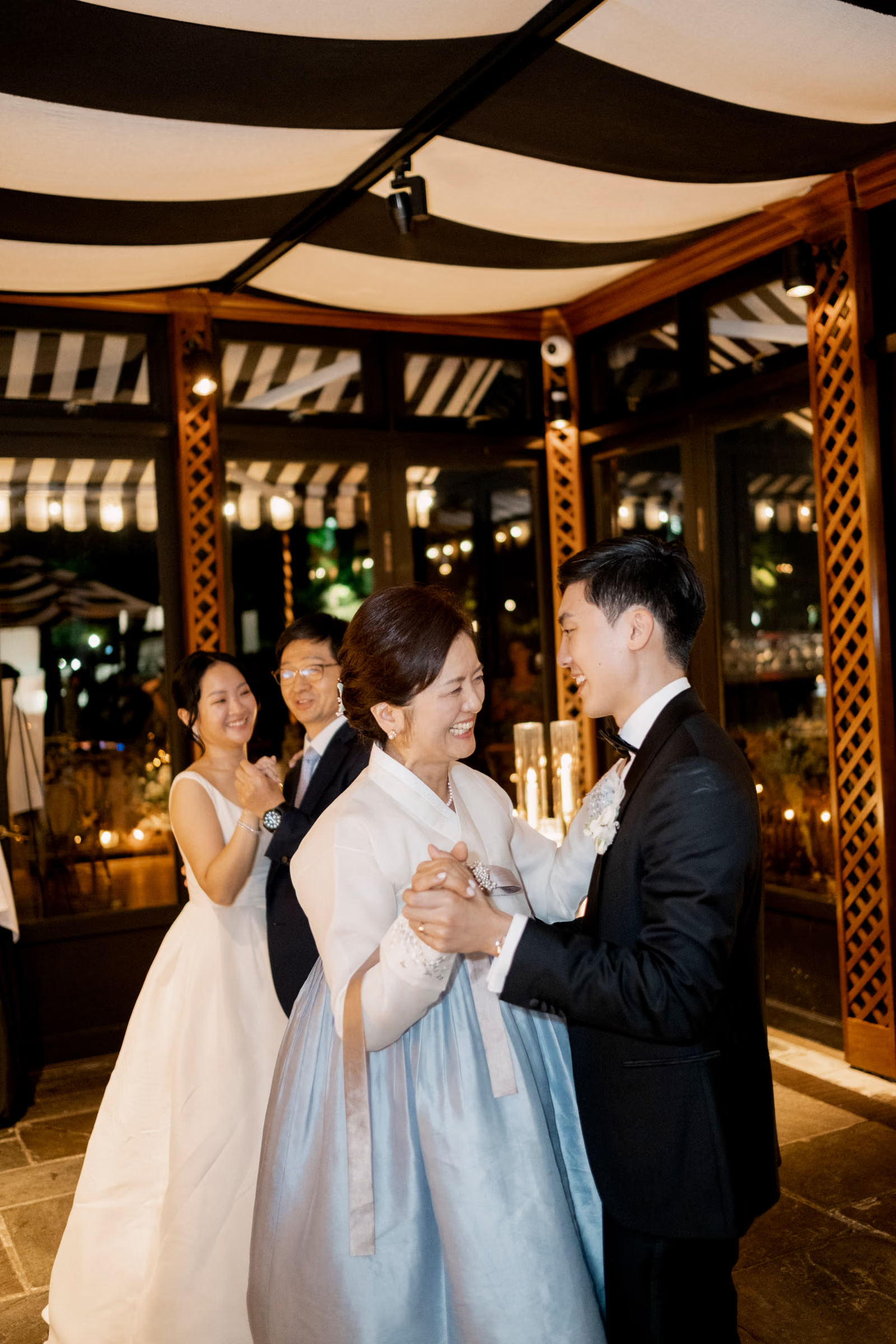
How we weave the paebaek into the day
Traditionally the paebaek was held by the groom’s family after the wedding. Today many families include both sides. It usually takes place after the Western ceremony, in a separate room, while the guests are at cocktail hour, so you have privacy and the guests are not kept waiting.
That means a second room, set in advance: a low table of dates, chestnuts and other foods, a folding screen behind it, cushions for the bows, and space for a photographer. The couple change into hanbok, and change back, and each change needs a room and a dresser.
- 5:00 pmThe Western ceremony.
- 5:30 pmCocktail hour begins for the guests. The couple change into hanbok.
- 5:50 pmThe paebaek, with the parents and close family, for thirty to forty-five minutes.
- 6:40 pmThe couple change and join the guests.
- 7:00 pmDinner.
Honoring the tradition
We plan the paebaek with you, and with the parents where they lead it: who takes part, in which order the couple bow, what the parents will say, who brings the envelopes. We prepare a short order of the ceremony, and a person who knows it guides the couple through, so everyone can simply be present. When grandparents are flying in from abroad, we plan the timing around them, and we send the order of the day ahead of time, so everyone knows what to expect.
Hanbok, the table and the room
Many couples and their families rent or commission hanbok, and some the ceremonial robes as well; we plan the fittings and the day’s changes. The paebaek table can be ordered from specialist providers or set with your own pieces. We design the room around it, so it feels part of the wedding rather than a room borrowed for an hour.
Design with meaning
We use traditional colors and motifs where they matter to you, and design the rest of the day around your own taste. The colors of the hanbok are often the first thing we learn about the day, and we let them guide the palette of the room where the paebaek takes place.
Weddings we have planned with these traditions
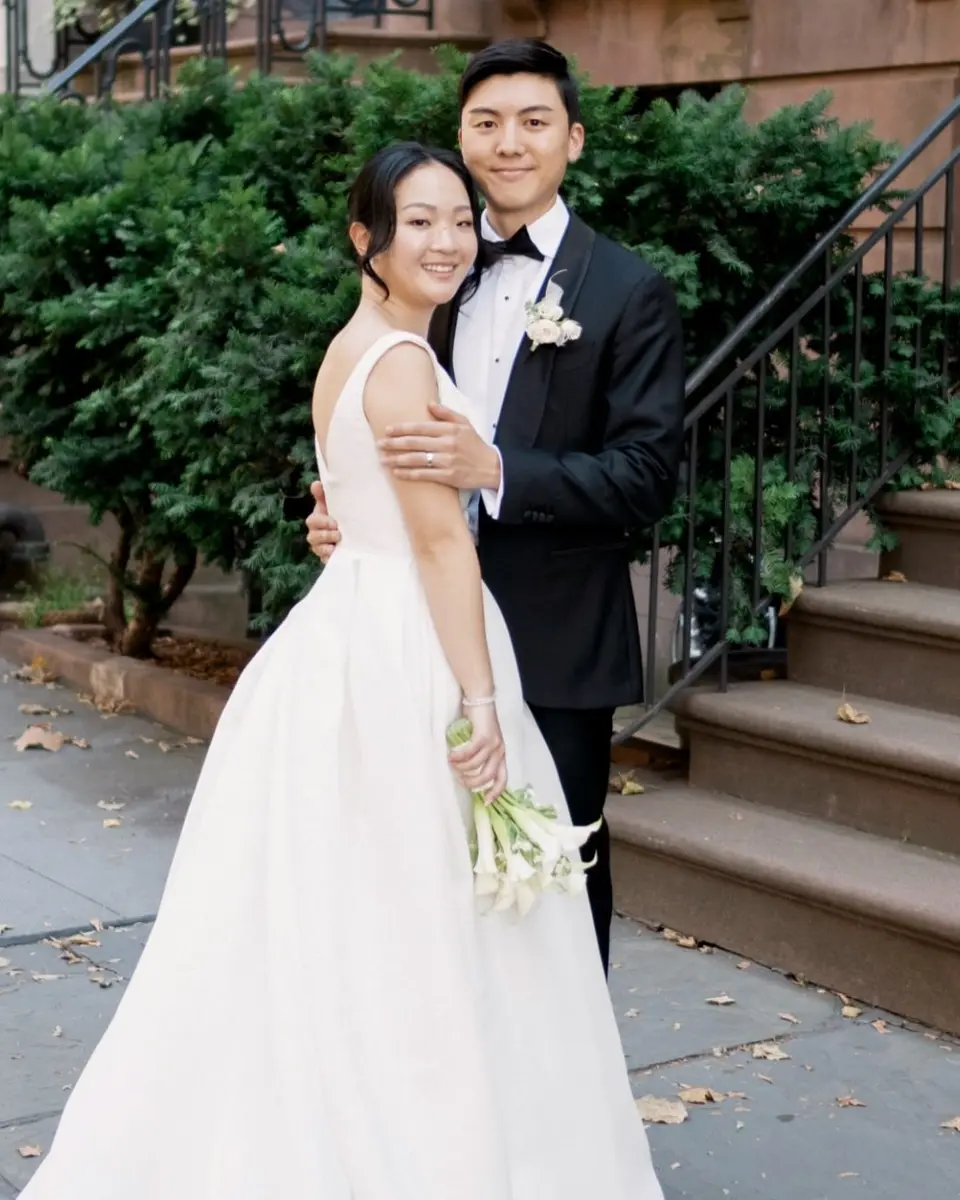
Christine & Daniel’s River Café wedding
A Brooklyn church ceremony, then dinner on the water. The River Café, Brooklyn.

Venues that suit a paebaek
- The River Café
Brooklyn, beneath the Brooklyn Bridge
Where we planned a Korean American wedding, with hanbok and dinner beneath the Brooklyn Bridge.
- The Yale Club of New York City
Vanderbilt Avenue, Midtown Manhattan
Private rooms of several sizes beside the ballroom, so the paebaek can take place in quiet while guests are at cocktails.
- The Rockleigh
Rockleigh, New Jersey
An estate with rooms enough for a private ceremony apart from the guests, and a ballroom for the dinner that follows.
Questions couples ask
Do you plan Korean weddings and the paebaek?
Yes. We have planned the paebaek into a New York wedding day, with the room, the hanbok changes and the timing around cocktail hour.
When does the paebaek take place?
Usually after the Western ceremony, in a separate room during cocktail hour, so you have privacy and the guests are not kept waiting.
How long does the paebaek take?
Thirty to forty-five minutes for the ceremony itself, and more time for the changes into and out of hanbok.
Who takes part?
Traditionally the groom’s family. Today many families include both sides. We plan it with you and with the parents, so everyone’s wishes are heard.
Can we hold a tea ceremony and a paebaek on the same day?
Yes, when two traditions meet. We plan both into the timeline with you. See our tea ceremony guide.
Tell us about the traditions you will keep.
Tell us about your wedding, and we will take it from there.