Wedding design and creative direction

Wedding design is the work of deciding what every guest will see, touch and hear, and making it one idea. At Sense of Moment, Olha Barabash designs each wedding from a single concept that runs from the invitation through the arrival, the ceremony, the dinner and the last hour of the night. Design is part of every full planning engagement, and for couples whose planning is already in hand, it is offered on its own.
Visualization
From rendering to room
Before anything is built, we draw the room: where the tables stand, how the light falls, what the guests see first. Then we build it. Here are two rooms, each drawn first and photographed on the night: Tribeca Rooftop, and The Rockleigh.
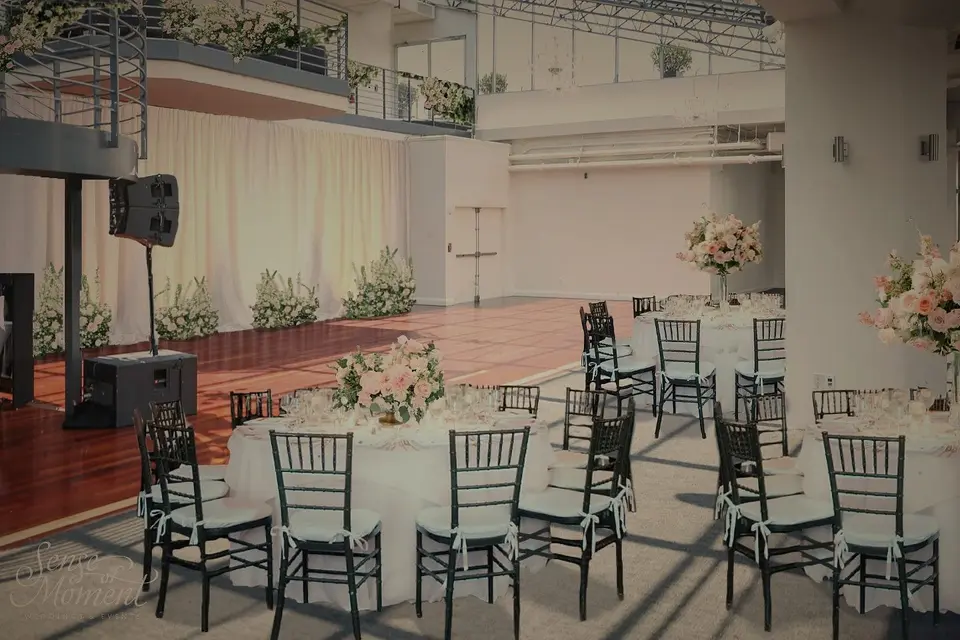
The renderingThe room, drawn in advance. 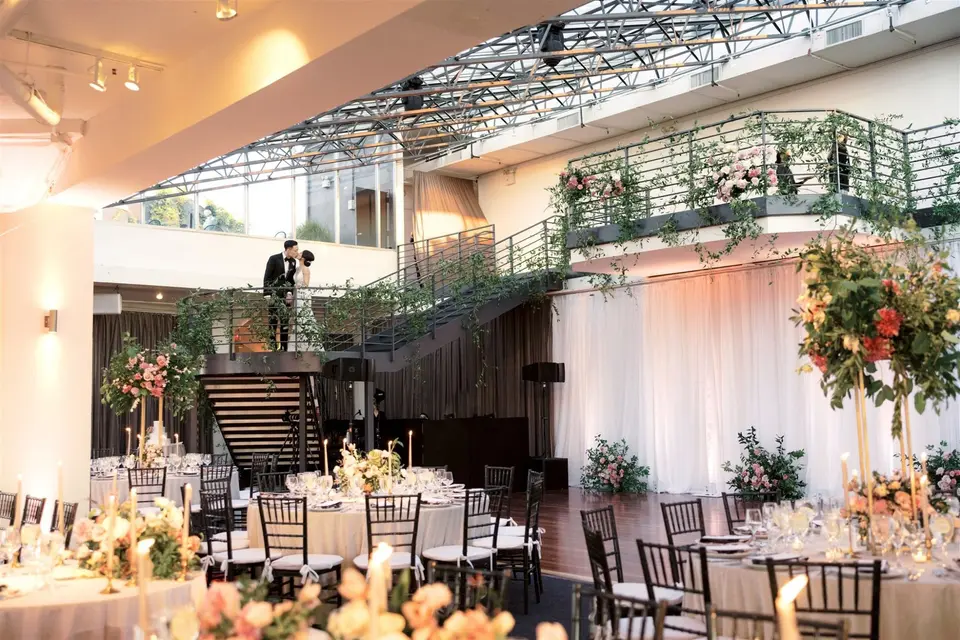
The room, on the nightSally and Albert, on the staircase above the finished room. 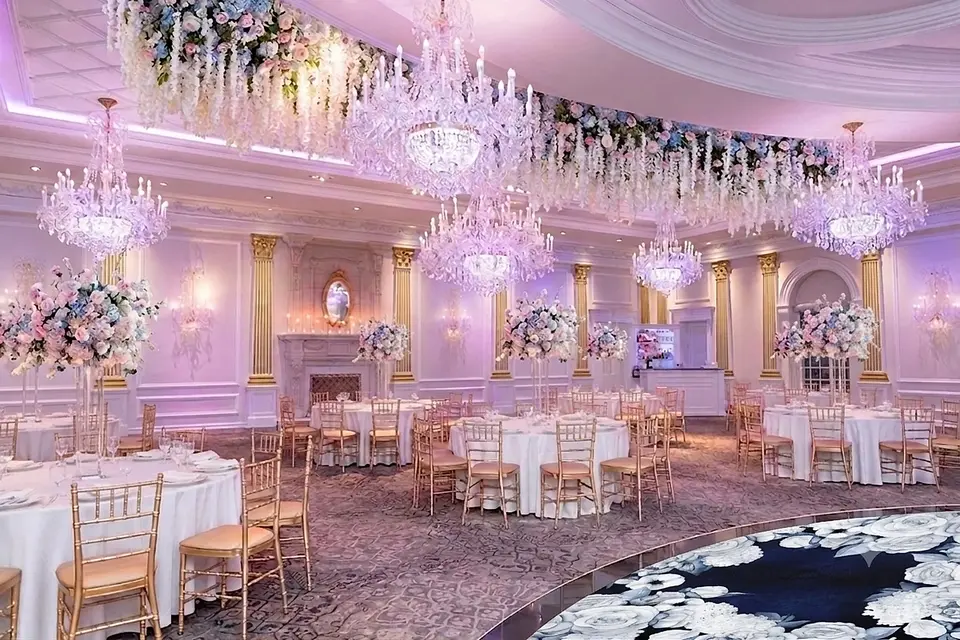
The renderingThe Rockleigh ballroom, drawn in advance. 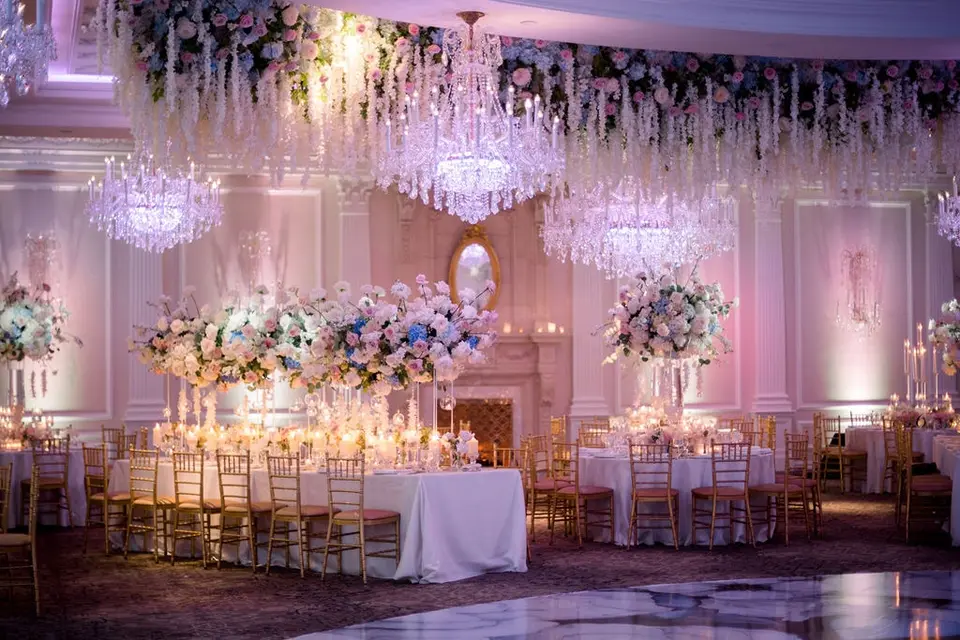
The room, on the nightThe same ballroom, built as drawn.


One idea, not a theme
A theme is something applied. An idea is something you already carry: a place, a memory, a tradition, the way you met. We find it in the first meetings and build from it, so the design feels like the two of you rather than like a season’s trend.
Dimensional cohesiveness
Olha’s term for design that holds together in every dimension: from room to room, from day to night, across the days of a wedding weekend. The palette, the materials, the light, the paper, the music and the service all answer to the same idea, and there is always room to adapt when the day asks for it.
Scale, and restraint
Some rooms ask for a great deal. At The Rockleigh we suspended flowers above every table in the ballroom. Others ask for almost nothing: a room with a view of the Brooklyn Bridge. Knowing which is which is most of the craft.
Two cultures, one design
When a wedding brings two cultures together, both belong in the design from the start: colors and symbols chosen for what they mean to the two of you, used with care rather than as decoration. See multicultural weddings.
The light at nine in the evening
Most of a wedding is seen after dark. We design the lighting as carefully as the flowers, and we walk every room at the hour it will be used. Candlelight at the table, warmth on faces, and darkness where the eye should rest: the same flowers read completely differently at noon and at nine, and the design has to hold at both.
How the design comes together
Listening
We learn you, your guests, your traditions and the venue. Nothing is drawn yet.
The concept
One idea, written in a sentence, with the references that explain it. Everything later is measured against it.
The design
Palette, materials, florals, lighting, paper, tablescapes and the plan for every room, drawn and costed.
Samples and the mock-up
We build a table, test the light, and change what does not hold up in person.
Production
Our team and the makers we trust build it, install it overnight or through the day, and take it down after the last guest.
What you feel
Recognition. When you walk into the finished room, the reaction we hope for is not surprise but a kind of quiet: the sense that the room could only belong to you. That is what we design toward from the first meeting.
Weddings we have planned
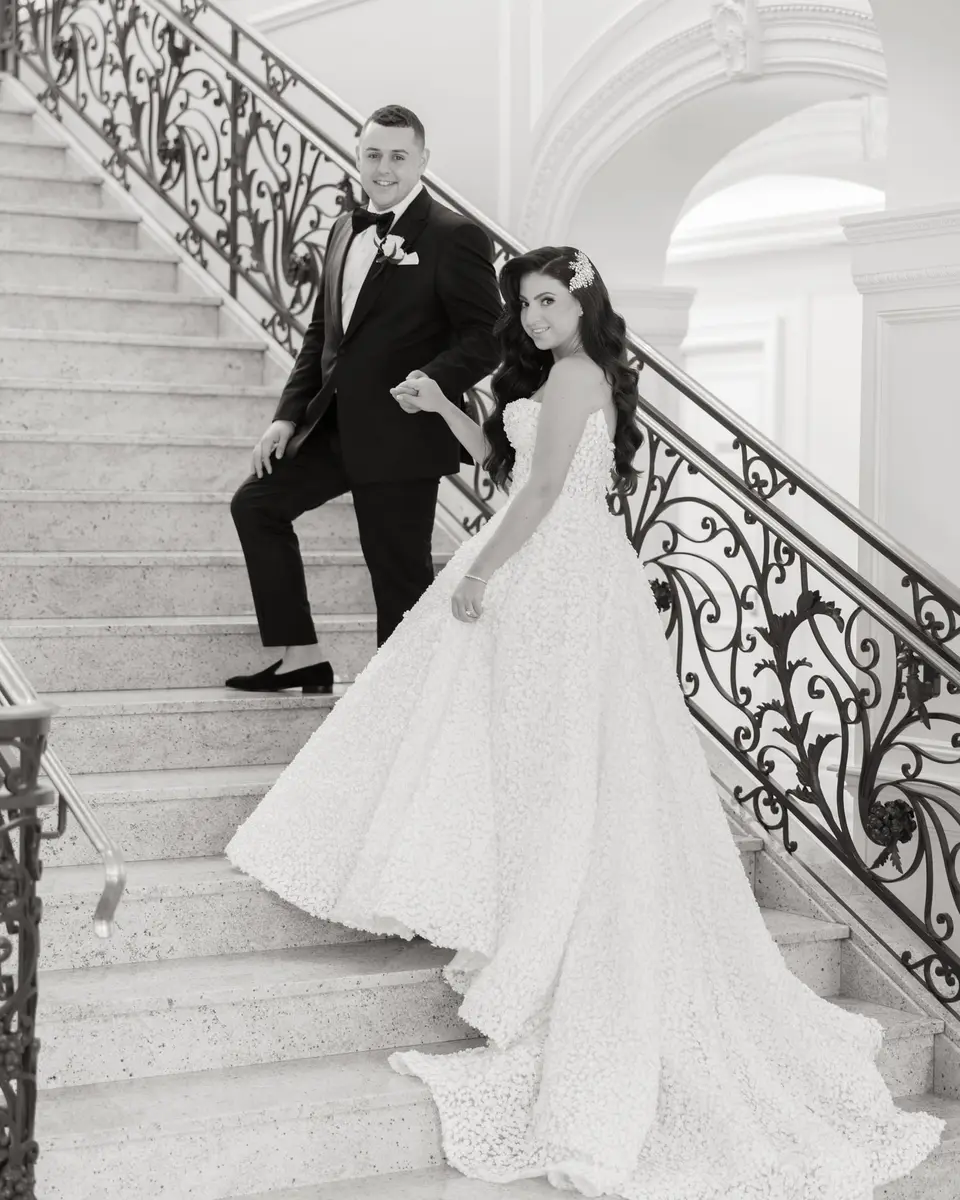
Erica & Wilson’s Rockleigh wedding
A ceremony beneath white flowers and crystal, emerald bridesmaids, and a ballroom in bloom.
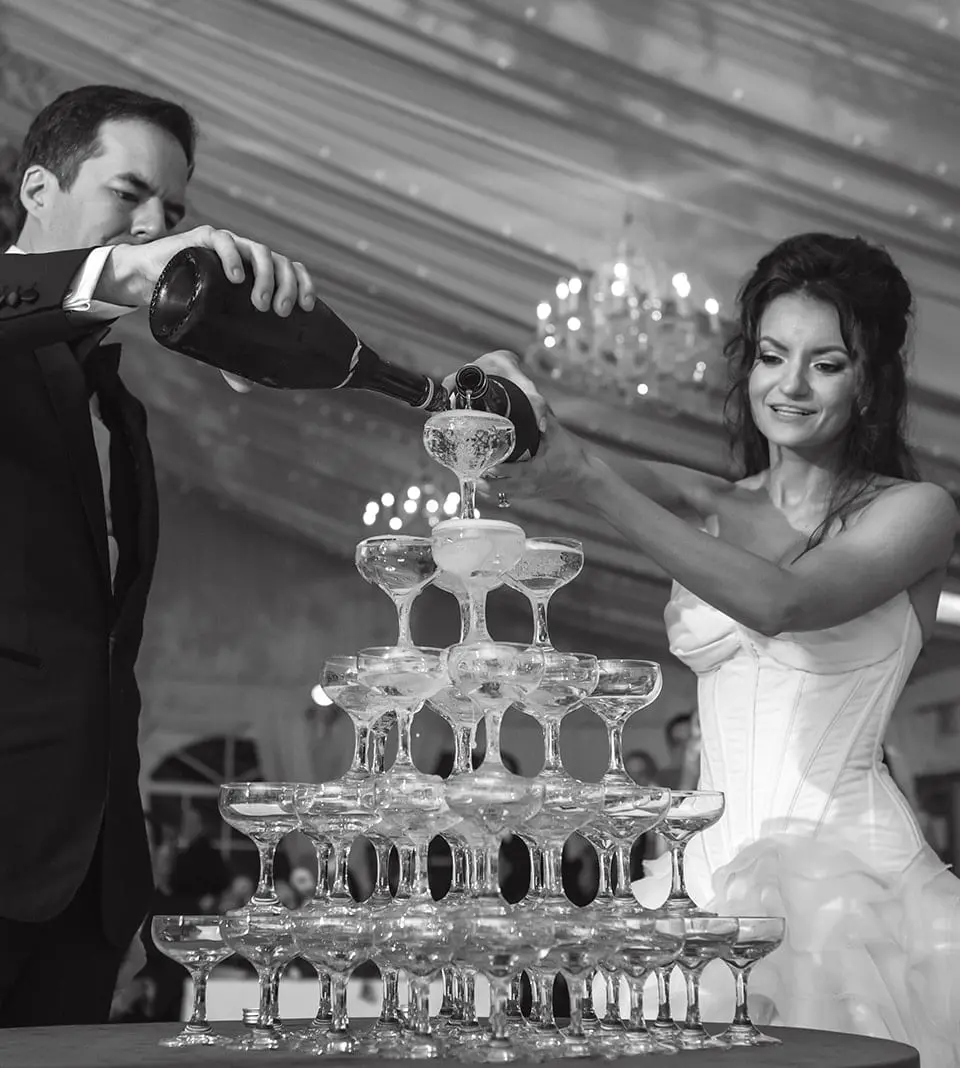
Lyndhurst Mansion wedding
A tent on the lawn above the Hudson, in emerald and green. Tarrytown, New York.
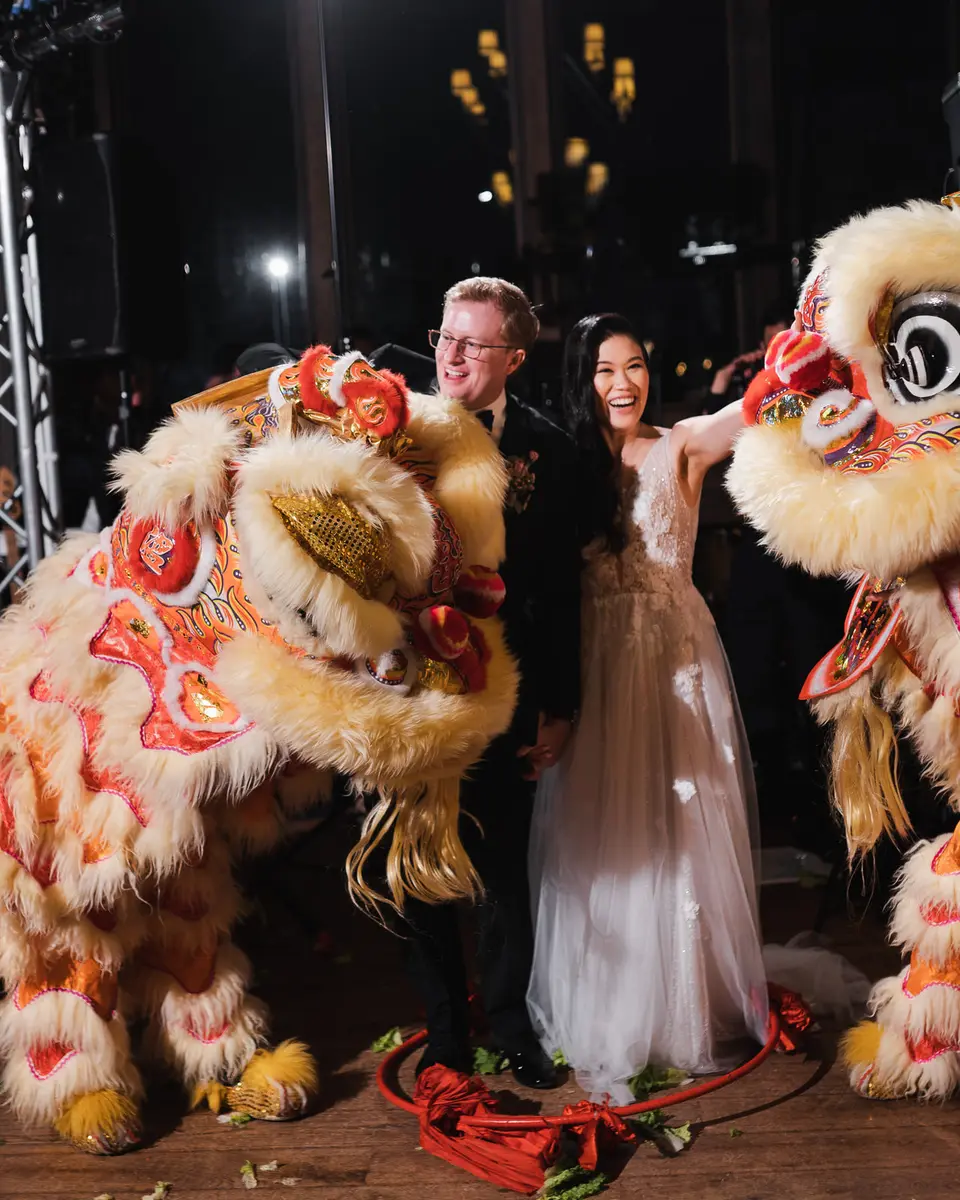
Amy & David’s Blue Hill at Stone Barns wedding
A tea ceremony and a lion dance around a farm dinner. Blue Hill at Stone Barns, Westchester.


Olha, in the press
“Always plan for a small, dedicated quiet area, a lounge, or even a separate room for the guests.”
 How to Make Your Guests More Comfortable at Your WeddingMay 2026
“No matter how upscale your dinner is, after hours of non-stop dancing, guests will appreciate some simple finger foods.”
 Wedding Details Worth Splurging On: What Guests Actually NoticeApril 2026
Questions couples ask
Do you offer design without full planning?
Yes. Design and creative direction is offered on its own for couples whose planning is already in hand, with a planner of their own or a venue team, who want Olha to design the experience. We work alongside whoever is running the day, and lead the design through production and installation.
Who builds the design?
We are conceptual designers. We create the concept, and based on its scale and style we match you with a vetted florist and the other makers we trust to bring it to life, and we direct them through production and installation.
How do you include our traditions in the design?
From the first meeting, as part of the idea rather than a moment in the program. We ask you what each symbol means, and where it matters, the people who keep the tradition, before we use it.
When should design begin?
Soon after the venue is secured, usually nine to twelve months before the wedding.
Tell us what the day should feel like.
Tell us about your wedding, and we will take it from there.